Organic and Functional Diseases
When a health disorder arises, it usually causes discomfort and symptoms in the person experiencing it, such as pain, dizziness, food intolerances, insomnia, and so on. After performing various laboratory tests and imaging studies, such as X-rays, MRIs, ultrasounds, etc., the specialist sometimes finds no visible abnormality and the only thing they can do is prescribe medication to suppress the patient's symptoms. Given the lack of results in the tests, it is often thought to be a psychosomatic or emotional problem. Of course, this can sometimes be true, but most of the time it is a functional or energetic blockage.
Integrative Medicine takes into account the concept of "functional disease or disorder," which is present in a very high percentage of patients who visit their primary care physician or specialist. Many of the tests used in medicine reveal organ dysfunction when it has already reached a stage where morphological and organic changes are present. However, there is a prior period, sometimes quite long, in which the organs continue to function, but no longer correctly, and begin to produce discomfort and symptoms. For example, the liver and kidneys must filter the blood and eliminate excess toxins, but if we eat more than necessary or eat improperly, an excess of waste products can be generated, overloading these organs, even if organic changes in the tissues are not yet evident in the tests performed. The diagnostic methods used in functional medicine are very effective in finding and correcting the cause of these functional imbalances at this stage of disease.
Energy Biocircuits
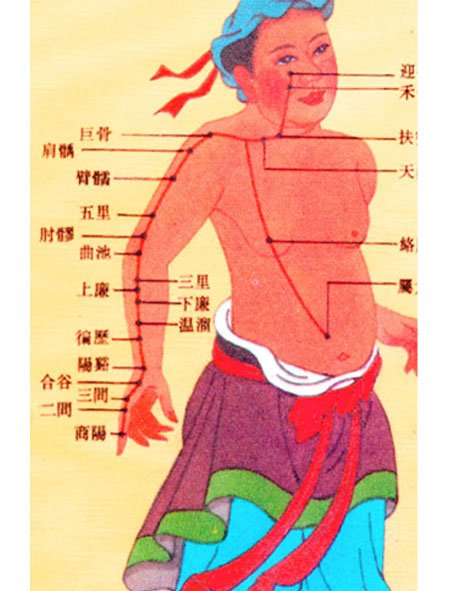
Currently, ancient Eastern medicines, such as Traditional Chinese Medicine and Ayurveda from India, are studied at universities in various countries and applied in hospitals that treat patients with these specialties alongside conventional medicine, depending on the patient's needs. One of the main differences between these therapies and Western medicine is that they take into account a whole system of energetic physiology and pathology with their own syndromes and terminology (Yin, Yang, cold, heat, deficiency, excess, the Five Elements, Vata, Pitta, Kapha, etc.). They consider that most illnesses involve blockages in the flow of energy, either due to excess or deficiency. Each of the body's main organs has a channel through which Qi (Chi in Chinese medicine) and Prana (Prana in Ayurveda) energy flows. This is essentially the electromagnetic energy emitted by all the body's organs and cells. These are the meridians of Chinese acupuncture and the nadis of Indian Ayurvedic medicine, which converge at the main energy centers called chakras. Vibrational therapies act primarily at this level, balancing altered energy circuits. They are not chemical therapies, but biophysical ones
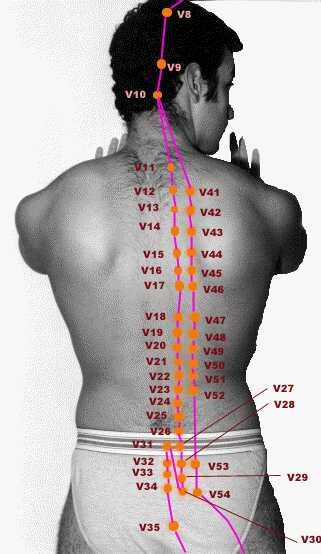
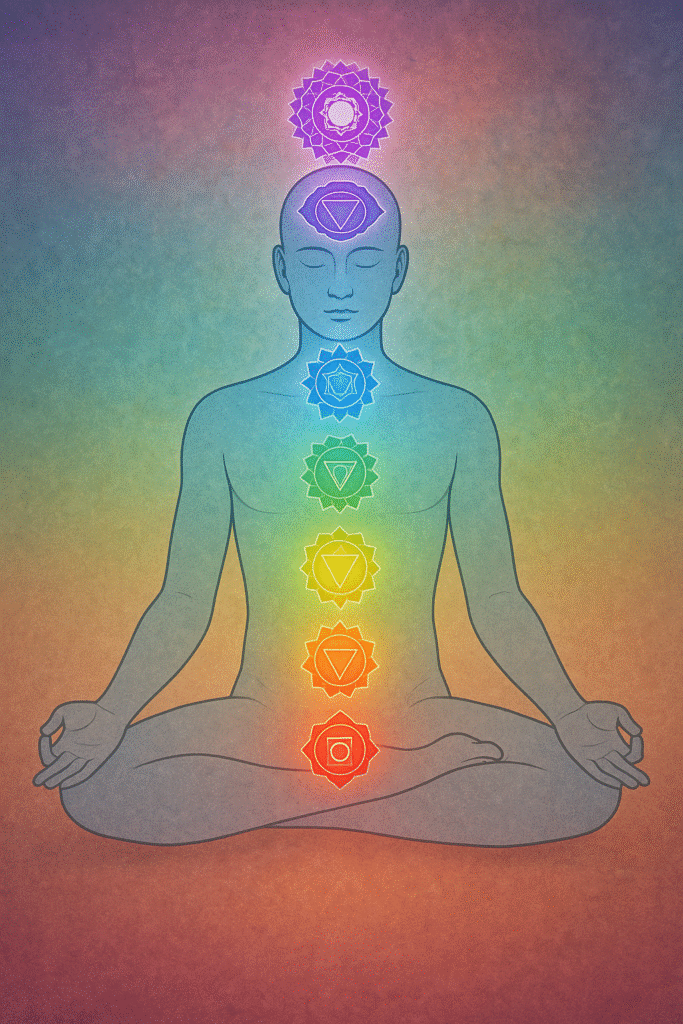
At the heart of vital functions lies the electrodynamic magnetic field of each organ. Any distortion of these fields by toxic waste causes a marked decrease in the activity capacity of the associated organ. Just as magnetic resonance imaging (MRI) uses the laws of resonance physics to produce images of the magnetic fields of our organs, regulatory therapies employ various methods to uncover the causes and interconnections of dysfunction. The deficiency or excess of function in the organs involved in the patient's symptoms can be detected using electronic resonance equipment based on the laws of physics.
NASA conducted research on acupuncture points and discovered that each point emits a particular micro-magnetic field, which generates a specific vibration pattern. Some Traditional Chinese Medicine and Auriculotherapy centers no longer use acupuncture needles, but rather a soft infrared laser that emits the 49 frequencies that vibrate in different regions of the body, frequencies discovered by Paul Nogier and Jorge Carvajal.
For years, surgical procedures have been performed with acupuncture anesthesia in several hospitals in China and some in the West, in which the patient remains conscious during the operation.
Functional Exploration
Kinesiology and vascular autonomic signaling (VAS)
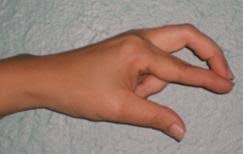

In integrative medicine, there are various ways to perform a functional analysis of the body's different organs and energy circuits. One of the most widely used is kinesiology, which involves muscle testing. This allows practitioners to obtain information about the patient's physical and emotional health, as well as identify the organs responsible for their symptoms and their underlying causes. It is not a medical or nosological diagnosis, nor does it assign a name to diseases; that is the domain of medicine and physicians. Kinesiology is also used to find remedies that resonate at the same vibrational frequency as the patient's illness or disorder. There are several schools of kinesiology: holistic kinesiology, which uses the arm reflex; applied kinesiology, which uses the muscle wheel, where each tested muscle corresponds to an organ associated with an acupuncture meridian; and so on. Another approach is self-testing, performed solely by the therapist, who acts as an intermediary between the patient and the substances being tested.
Another exploration method is taking the VAS (vascular autonomic signal) in the radial pulse. Discovered by Dr. Paul Nogier, the creator of Auriculomedicine, it involves bringing gelatin filters containing substances or colored gels close to the body surface or the auricle (ear) and observing the changes and reactions of the pulse to these stimuli. Synergetic therapy also uses pulses and the VAS with all the filters, infrared laser, and Viacolor, establishing a dialogue with the body. These are tools used by many doctors and therapists to obtain information about the patient's health status.

Bioelectronics
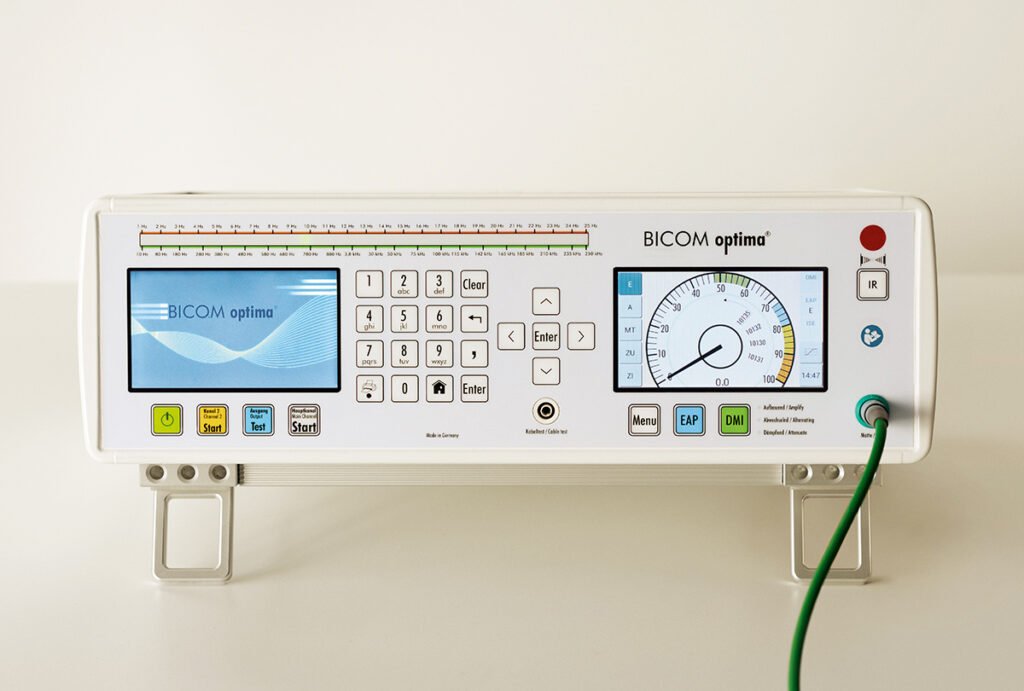
Currently, there are also bioresonance and bioelectronic devices that allow for a complete study of the patient's functional and energetic health status, such as the Voll Electroacupuncture (EAV) devices Ondamed, Rayonex, Vegatest, Mora, Bicom, Esbia, Metatron Hunter, and Quint System, which are also used to correct functional imbalances
Iridology
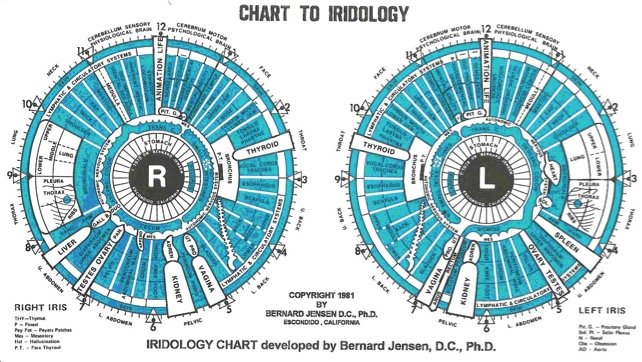
Iridology is a technique used in Naturopathy and Integrative Medicine that studies the markings and patterns on the iris of the eye, providing information about the body's weaknesses. It is based on the principle that, like the auricle (external ear), the iris also contains a somatotopic map representing all the different organs of the body. It is also used to detect toxin accumulations in tissues and identify areas of inflammation, weakness, and hereditary or acquired predisposition to future illness.
The art of the pulse
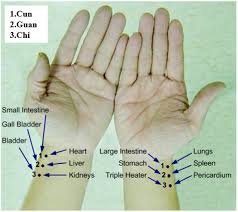
In conventional Western medicine, pulse diagnosis is used to detect potential heart conditions, while in Traditional Chinese Medicine and Ayurveda, it is a tool for assessing the functional state of the major organs. There is a pulse for the liver, stomach, kidneys, bladder, spleen, pancreas, heart, gallbladder, large intestine, small intestine, and respiratory system. Pulse diagnosis in Ayurveda is more complex than in Chinese Medicine, as it provides a wealth of information about a person's overall health.