
Phytotherapy and Medicinal Plants
Phytotherapy is the science that studies the use of plant-based products (medicinal plants or their derivatives) for therapeutic purposes, whether to prevent, alleviate, or cure diseases, or to maintain general health. Etymologically, the word comes from the Greek words Phytos (plant) and Therapeia (therapy). Although it is an ancient practice, today it is considered a scientific discipline that uses rigorous methods to extract and standardize the active ingredients of plants. Unlike synthetic medicine, which usually isolates a single molecule, phytotherapy takes advantage of the phytocomplex: the set of active substances in the plant that act synergistically (enhancing each other's effects). It is mainly used to treat mild to moderate conditions and as a supportive treatment for chronic diseases.
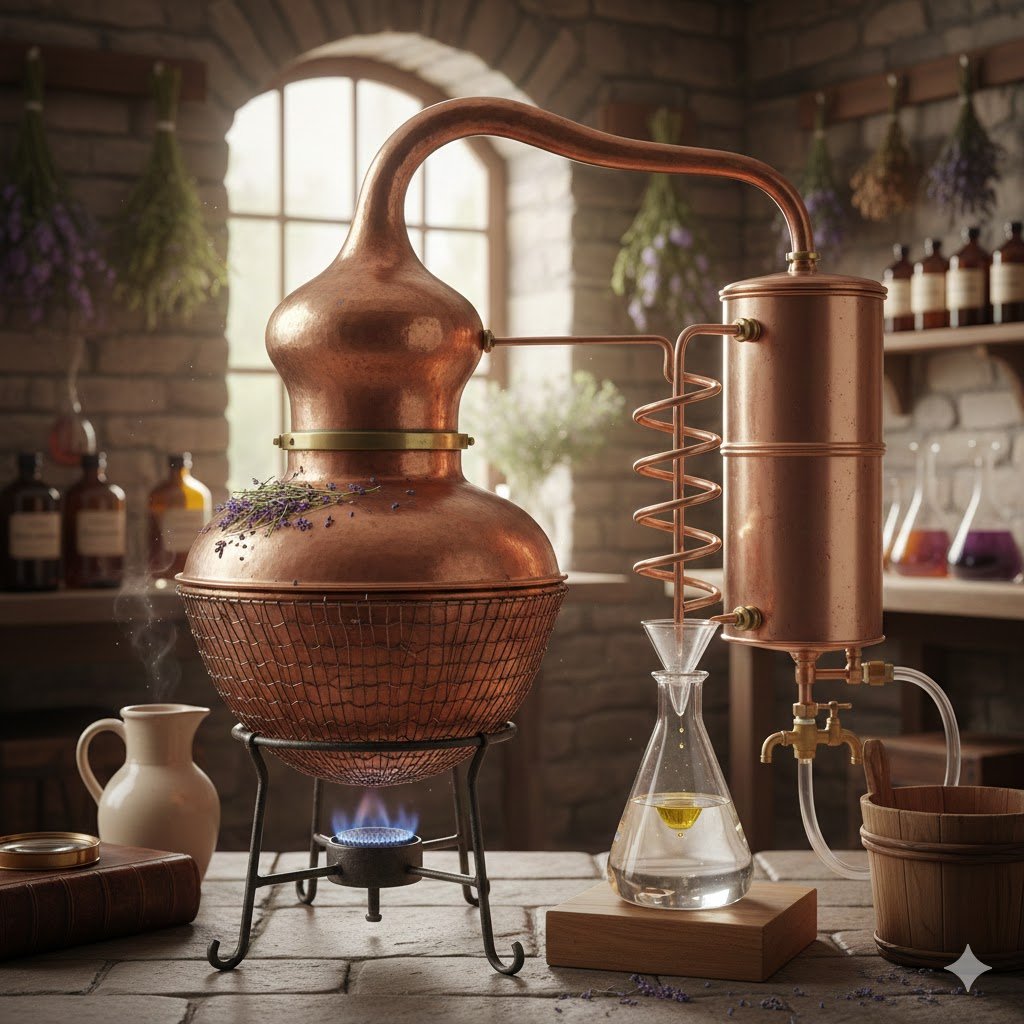
Herbal preparations are not just "teas." Depending on the part of the plant (root, leaf, flower) and the intended use, they are available as infusions and decoctions in hot water, dry extracts in the form of capsules or tablets with high concentrations, and tinctures, which are alcoholic solutions obtained through maceration that preserve the active ingredients. Essential oils are highly volatile and potent extracts for topical use and inhalation. Oral administration can produce strong reactions and allergies in some patients, and it is advisable to place a few drops on the inner elbow and wait a few hours before taking it.
Pharmacognosy: The Science of Origin.
Pharmacognosy (from the Greek pharmakon, drug, and gnosis, knowledge) is the branch of pharmaceutical science that studies drugs and auxiliary substances of biological origin. Its objective is to identify, preserve, and analyze natural substances that have biological effects.
Identification (Botany and Microscopy): Ensures that the collected plant is the correct one and not a similar species that could be toxic.
Phytochemistry: Analyzes the chemical components. It looks not only for the "active ingredient" but also for secondary metabolites (alkaloids, flavonoids, terpenes, etc.).
Quality Control: Determines the purity of the drug (absence of heavy metals, pesticides, or bacteria) and the minimum amount of active ingredient necessary for it to be effective.
Extraction and Preservation: Studies when is best to harvest (time of maximum chemical concentration) and how to dry or store the plant without degrading its properties.
Phytotherapy: Clinical Application. This is the medicinal use of plants. Its relationship with pharmacognosy is one of dependence: phytotherapy needs pharmacognosy to ensure that what the patient consumes is safe and standardized.
Key concepts in advanced phytotherapy:
The Phytocomplex: Unlike a synthetic drug (a single molecule), phytotherapy evaluates the entire set of molecules in the plant. Sometimes, a "companion" substance helps the main one to be absorbed better or reduces its side effects. Standardization:
This is the (pharmacognostic) process of ensuring that each capsule or drop has exactly the same amount of active ingredient. Without this, phytotherapy would be imprecise.

Important Precautions:
It is a common misconception that "because it's natural, it can't hurt." Herbal medicine requires supervision because it has "interactions." Certain plants can cancel out or enhance the effects of pharmaceutical medications (for example, St. John's wort interacts with many drugs).
Dosage: An excessive dose can be toxic.
Contraindications: Not all plants are suitable for pregnant women, children, or people with specific medical conditions (such as hypertension or kidney failure).
The term "drug": Although it is currently a word associated with substances for recreational use, its meaning is different. All medicinal plants have a "drug," which is the part of the plant that contains the active ingredients (the flower, leaf, root, etc.) that help improve health conditions.